Hedge Trimming in Victoria

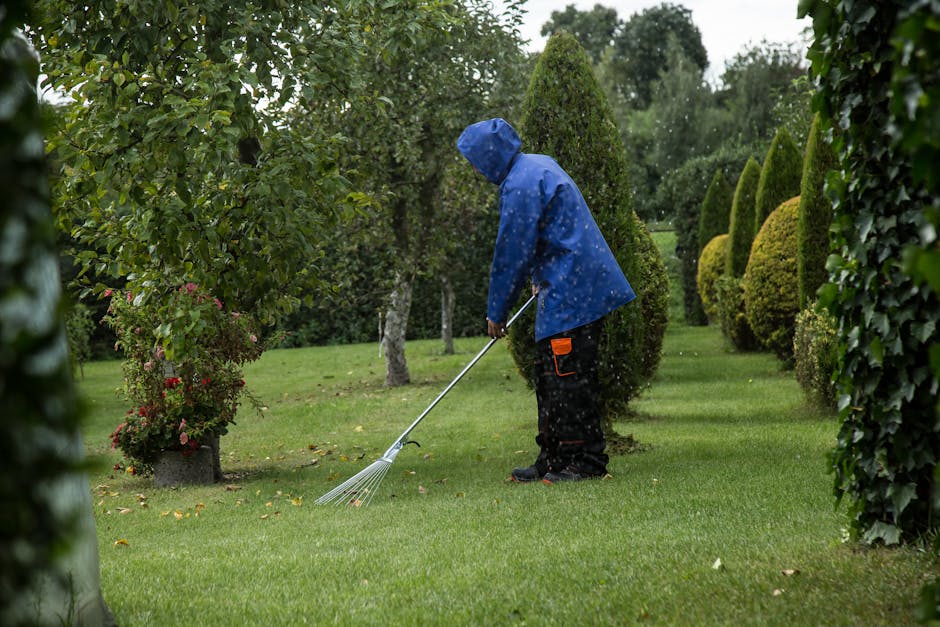
Hedge trimming in Victoria is a practical service for keeping boundary lines, front gardens and planted screens neat, controlled and healthy. A well-cut hedge can define a property, shape a garden view and help the planting stay within the space available. We focus on careful trimming that respects the hedge type, the season and the finish you want, whether that means a crisp formal line or a softer natural shape.
The work can include routine trimming, corrective shaping and reduction of growth that has become uneven or overextended. We aim for a clean result that supports healthy regrowth rather than a harsh cut that leaves gaps or ragged edges. If you need a simple starting point, send over the basic details and ask for a quotation. The right approach depends on the hedge species, height, access and the look you want to maintain.
We also handle the practical side of the job in a tidy, straightforward way. That can mean cutting back overhang, dealing with mixed growth and removing the waste created by the trim. For many customers, the important outcome is not just a shorter hedge, but a hedge that looks managed, sits properly within the garden and continues to serve its purpose through the year.
Routine Hedge Cutting and Seasonal Shaping
Routine hedge cutting is about consistency. When a hedge is trimmed regularly, it is easier to keep its outline even and its width under control, which in turn makes the garden look more ordered. Different hedges respond differently to cutting, so the timing and style of the work matter. Some hedges benefit from frequent light trims, while others are better handled with less frequent but more considered attention.
Seasonal shaping is useful where growth has pushed beyond the intended line or where a hedge has started to lose symmetry. The aim is to restore balance without forcing the plant into an unnatural shape. In practice, that means trimming the face, top and sides with an eye on how the hedge will grow back over the following weeks. A good finish should sit comfortably with the rest of the garden rather than looking clipped for its own sake.
For customers comparing options, the main decision is usually whether the hedge needs maintenance or a more substantial tidy-up. Maintenance cutting keeps the current structure in place, whereas a heavier reshape is for hedges that have drifted off line or become too bulky. We can work with both, and we keep the outcome focused on appearance, structure and sensible aftercare rather than unnecessary intervention.
Reducing Height, Width and Overgrowth

Hedges do not always need a full replant or replacement when they become too large. In many cases, controlled reduction can bring them back to a manageable size. That may involve lowering the top, narrowing the sides or easing back areas that have become overly dense. The process needs judgement, because cutting too hard can leave a hedge thin at the edge and weak in appearance.
When reduction is appropriate, the work is usually carried out in stages where needed, especially on established hedges with substantial growth. The exact method depends on the plant type and the current condition of the hedge. A careful reduction can improve light around the garden, ease access and make future maintenance more straightforward. It can also help reduce the sense that a hedge is dominating the space.
Where access is tight or the hedge runs alongside paths, fences or planting beds, the cut needs a measured approach. That includes working neatly around features that should remain undisturbed and avoiding damage to adjacent surfaces. The finish should be practical as well as attractive, leaving the hedge suitably shaped and the surrounding area ready to use without extra clean-up.
Hedge Types, Finishes and the Right Level of Cut
Different hedge types call for different trimming styles, and the level of finish you want should guide the work. A formal hedge often benefits from a straight, sharp outline with clean sides and a level top. A softer or mixed hedge may suit a gentler profile that follows the planting more naturally. The purpose of the hedge matters too: screening, privacy, shelter and decoration do not always call for the same result.
Some hedges are best maintained with regular light trimming to keep fresh growth compact. Others need a more deliberate cut to restore shape after a period of unchecked growth. We look at the hedge as a whole, not just the visible edge, because the density, height and branch structure all influence how it should be handled. That approach helps avoid a finish that looks uneven a few weeks later.
If you are choosing between a light tidy and a more thorough reshape, consider how the hedge is used and how prominent it is in the garden. A front boundary may call for a sharper, more presentable edge, while a rear screen may be better served by a balanced tidy that prioritises coverage. Tell us what you want the hedge to do, and we can shape the work around that aim.
Access, Reach and Waste Removal

Good hedge trimming is not only about cutting the plant. It also involves handling the practical parts of the job carefully, especially where access is awkward or the hedge sits close to walls, paths or neighbouring boundaries. Reaching the full height and depth of the hedge matters for an even finish, and the right method helps avoid missed sections or rough patches that stand out once the work is done.
Waste removal is an important part of the service because hedge cuttings can quickly become bulky. We manage the debris created during the trim so the area is left tidy and usable. That is especially helpful when the hedge sheds a large volume of material or when the cut spans several sides. A clean departure is part of the overall result, not an optional extra at the end.
When preparing for hedge work, it helps to think about simple access matters rather than trying to over-plan the job. Clear routes to the hedge, unlocked side gates and awareness of fragile planting nearby can all make the work smoother. If you are ready to talk through the hedge size and finish you want, take a moment to request a quotation. For more information on how we present our work, you can also view the services overview.
Supporting Healthy Regrowth and a Better Long-Term Shape
A hedge that has been cut well should still look alive, balanced and ready to recover. The aim is not only to improve the present appearance but to support strong regrowth from the right points. That means avoiding unnecessary tearing, keeping the profile even and paying attention to how far back the growth is reduced. Good hedge trimming encourages a dense edge rather than a sparse one.
There is also a long-term shape to think about. If the base narrows too much or the top becomes wider than the lower growth, the hedge can begin to shade itself and lose fullness lower down. Careful trimming can help preserve a more stable form, which is especially important on hedges that provide screening. The objective is a hedge that still performs its job while remaining manageable in the seasons ahead.
Where a hedge has already started to look tired, the work may involve more than a simple top-up cut. It can need patient reshaping over time so the outline improves without stressing the plant. We keep that judgement practical and proportionate, focusing on what the hedge can reasonably support. For a fuller picture of how we approach this kind of work, see hedge trimming.
What usually shapes the quotation

A quotation for hedge trimming is usually shaped by a handful of concrete factors. Height, length and the thickness of the growth all affect the amount of cutting involved. Access can matter too, especially where tools need to be carried through narrow side passages or where the hedge stands close to obstacles. The condition of the hedge is also important, because a light tidy is different from a larger reduction or a hedge that needs several faces worked carefully.
It helps to be clear about the finish you want. Some customers want a tidy maintenance trim that preserves the existing line, while others need a more open reduction or a sharper formal edge. If you can describe the hedge and the outcome you are after, it is easier to match the work to the task. You do not need to overstate anything; plain information is usually enough to produce a useful quote.
For straightforward enquiries, send the hedge size, the rough shape you want and any access notes. That can keep the conversation focused and make the quotation process easier to handle. If you would like to understand the other garden work we offer alongside hedge care, there is also garden maintenance for broader seasonal upkeep.
Other Garden Work That Can Sit Alongside Hedge Care
Hedge trimming often sits within a wider pattern of garden upkeep. In some gardens, the hedge is only one part of a bigger maintenance routine that includes cutting back borders, keeping access routes clear and dealing with overgrown areas before they become difficult to manage. Where that is the case, it can be sensible to think about the garden as a whole rather than treating each task in isolation. That helps create a more coherent finish.
Depending on the state of the space, related work may include wider clearance or reshaping around the hedge line. If a hedge is surrounded by neglected growth, the cut can look much better once nearby clutter has been dealt with too. We keep these tasks separate in the way we describe them, but in practical terms they often complement one another. For details of broader clearance work, you can look at garden clearance.
Some customers prefer to combine trimming with other straightforward garden tasks so the site feels more manageable afterwards. Others only need the hedge itself sorted and want to keep the rest of the garden unchanged. Either approach is fine. The key is to match the work to the space and the result you want, rather than forcing the garden into a larger project than it needs.
About Victoria
Victoria is a central London district in the City of Westminster, shaped by a mix of transport infrastructure, government buildings, retail streets and long-established residential pockets. The area grew significantly in the nineteenth century after the railway arrival transformed nearby land use, and it still reflects that period through its planned streets, station-led movement and substantial civic architecture. Victoria Station remains one of the best-known transport hubs in London, linking the district to suburban rail routes, the Underground and national services, while Victoria Coach Station adds to the area’s role as a major point of arrival and departure. Around the station, the streets are busy and commercially active, but the area also opens towards quieter places such as St James’s Park, a historic royal park with formal landscapes, water, tree cover and views across central London. Westminster Cathedral, completed in the early twentieth century, is one of the district’s notable landmarks, with its distinctive red-and-white striped exterior and Byzantine-influenced design standing apart from the surrounding streetscape. Nearby, the architecture ranges from Victorian and Edwardian terraces to later offices, hotels and civic buildings, creating a layered urban environment that shows the area’s long development. The district’s position between Westminster, Pimlico and the broader West End also gives it a character shaped by administration, travel, retail and daily city life.
Keeping the Finish Consistent Over Time

Once a hedge has been trimmed, the next step is deciding how to maintain the new line. Regular light cutting is often easier than allowing growth to become excessive and then trying to correct it later. A consistent approach helps preserve a neat outline, reduces the chance of the hedge becoming top-heavy and makes future work more predictable. It is usually the steady, sensible plan that gives the best long-term result.
Consistency also matters because hedges behave differently across the year. Growth rate, weather and the hedge’s own vigour all affect how quickly it returns to the line after cutting. A hedge that is kept even and managed with care tends to look more settled in the garden, while one that is left too long between trims can become visually heavy or narrow in the wrong places. We aim for a finish that is presentable now and workable later.
If you are comparing your options, think about whether your hedge needs a one-off tidy or a regular maintenance pattern. Either way, the work should be clear, practical and suited to the hedge itself. When you are ready, ask for a quotation and we can help you decide on the most suitable level of trimming for your garden. You can also review pricing and quotes if you would like to understand how enquiries are handled.
Simple Next Steps for a Clear Enquiry
To get the most useful quotation, it helps to describe the hedge in straightforward terms. Length, approximate height, the sort of finish you want and any access limitations are the main details to include. If the hedge has been neglected for a while, say so plainly. That gives a better sense of whether the work is a light maintenance cut or a more substantial reduction and makes it easier to match the job to the right approach.
It can also help to separate what must be done from what would be nice to do. For example, you may want the hedge cut back to a clear line, but not lowered beyond a particular point. Or you may want the sides straightened without changing the overall height. Clear instructions like that are useful because they focus the work on the outcome that matters most to you. If broader garden planning is involved, landscape gardening is available as a related option.
For a final step, send your enquiry and ask for a quotation when you are ready. If you want to read more about our wider approach before that, the about us page gives further background, while the contact us page is the right place for the final request.